

Business Operation · 2025
In this section22 topics
- Corporate Information4 items
- Dividend Policy2 items
- Major Shareholders2 items
- Business Strategies Overview5 items
- Material Changes & Developments2 items
- Use of Proceeds from Securities Offerings1 item
- Commitments Made in the Registration Statement1 item
- Group Operating-Structure Policy1 item
- Companies Where the Company Holds ≥10%1 item
- Shareholders with Potential Conflict of Interest1 item
- Relationships Among Major Shareholders1 item
- Shareholders' Agreement1 item
- Shareholding Diagram (Group Structure)2 items
- Income Structure4 items
- Product / Service Characteristics2 items
- Research & Development3 items
- Assets Used in the Business5 items
- Marketing Policy & Competition3 items
- Procurement of Products & Services2 items
- Projects Under Construction7 items
- Debentures & Bills of Exchange1 item
- Convertible Securities1 item
Corporate Information
Company Name
FLOYD PUBLIC COMPANY LIMITED
Telephone
0-2191-6258, 0-2191-6260
Website
www.floyd.co.th
office@floyd.co.th
Dividend Policy
Dividend Policy
The Company has a policy of paying dividends at a rate of not less than 40.00 percent of net profit after corporate income tax for the separate financial statements and after deducting all types of reserves as required by law and the Company. The dividend payment does not materially affect the normal operations of the Company. The dividend payment consideration may be subject to change depending on the Company's operating results and financial position, the Company's liquidity, business expansion plans, other future necessities and appropriateness, and other relevant factors in the Company's business administration as deemed appropriate by the Board of Directors and/or the shareholders of the Company. Such actions must be in the best interests of the shareholders.
The Company's annual dividend payment is subject to the approval of the shareholders' meeting, except for the interim dividend payment, which the Board of Directors has the authority to approve and report to the shareholders' meeting at the next meeting.
Historical Dividend Payments
| This Year | Last Year | 2 Years Ago | 3 Years Ago | 4 Years Ago | Metric | Description |
|---|---|---|---|---|---|---|
| 0.16 | 0.11 | 0.05 | 0.07 | 0.01 | Net profit per share (Baht : Share) | Net profit per share (baht : share) |
| 0.08 | 0.01 | 0.01 | 0 | 0 | Dividend per share (Baht : Share) | Dividend per share (baht : share) |
| 0 | 9 | 9 | 0 | 0 | Dividend stock ratio (Number of original shares: dividend shares) | Ratio of stock dividend payment (existing share : stock dividend) |
| 0.08 | 0.06 | 0.06 | 0 | 0 | Dividend share value per share (Baht : Share) | Value of stock dividend per share (baht : share) |
| 0.08 | 0.06 | 0.06 | 0 | 0 | Total dividend payment value (Baht : Share) | Total dividend payment (baht : share) |
| 49.21 | 52.95 | 106.27 | 0 | 0 | Dividend payout ratio to net profit (%) | Dividend payout ratio compared to net profit (%) |
Business Strategies Overview
Chairman's Message
Message from the Chairman of the Board of Directors
In 2025, Floyd Public Company Limited continued to conduct its business and deliver steady growth in operating performance despite economic volatility and intense competition in the construction and mechanical and electrical engineering (M&E) industry. Throughout the year, the Board of Directors performed its oversight duties with prudence, transparency, and independence. The Board placed strong emphasis on setting strategic direction, overseeing risk management, and closely monitoring management’s performance to ensure that the Company operates in accordance with the principles of good corporate governance while creating sustainable value for shareholders and all stakeholders.
The Board of Directors has continued to prioritize the enhancement of corporate governance practices, enterprise risk management, and internal control systems. The Company also promotes business operations aligned with sustainable development principles (ESG), taking into consideration the impacts on the economy, society, and the environment. From a strategic oversight perspective, the Board worked closely with management to assess industry trends, business opportunities and potential risks in order to determine an appropriate direction for the Company’s sustainable growth balancing business expansion, risk management and the maintenance of a strong financial position.
The Board firmly believes that sustainable growth can only be achieved through good governance, responsible business conduct toward stakeholders, and adherence to ethical standards in all business practices. Accordingly, the Company remains committed to continuously strengthening its governance framework to ensure alignment with the regulations of the Stock Exchange of Thailand and international standards.
On behalf of the Board of Directors, I would like to express my sincere appreciation to our shareholders, customers, business partners, employees, and all stakeholders for their continued trust and support. The Board will continue to perform its duties to the best of its ability in overseeing the Company’s operations with transparency and efficiency, while fostering stable and sustainable growth in the long term.
Yours faithfully,
M.L. Ayuth Jayant
Chairman of the Board of Directors
Message from the Managing Director
In 2025, Floyd Public Company Limited achieved another year of significant growth in operating performance, despite challenges from economic conditions, fluctuations in construction material costs, and intense competition within the construction and mechanical and electrical engineering (M&E) industry.
The Company reported service revenue of THB 805.60 million, representing an increase of 28.37% from the previous year, while net profit reached THB 72.26 million, growing 54.96% year-on-year. These results reflect the Company’s efficiency in project management, cost control, and prudent selection of quality projects. Over the past year, the Company’s revenue structure was derived from a diversified portfolio of projects, including residential buildings, office buildings, data centers, and commercial developments. This diversification helped balance the Company’s project portfolio and reduce the risks associated with reliance on any single customer segment.
During the year, the Company also placed strong emphasis on strengthening its organizational capabilities across several areas, including enhancing project management efficiency, developing personnel, and adopting technology to improve operational processes. These efforts aim to ensure that the Company consistently delivers high-quality work that meets engineering standards and is completed on schedule key factors in maintaining the confidence and trust of customers and business partners.
In terms of business strategy, the Company focuses on sustainable growth through five key approaches:
Expanding the customer base and exploring new markets
Enhancing operational efficiency to support continuous growth
Building long-term relationships with stakeholders
Promoting a strong safety culture in the workplace
Maintaining a solid financial position
Alongside business operations, the Company places importance on good corporate governance, ESG-driven practices, and the creation of long-term value for shareholders, society, and the environment. Looking ahead, Thailand’s construction industry continues to present growth opportunities driven by government infrastructure investment, industrial expansion, and the development of new real estate projects. These trends represent important opportunities for the building engineering systems (M&E) business.
The Company will continue to strengthen its organizational readiness in terms of personnel, technology, and risk management to capture future business opportunities, while maintaining stable and sustainable growth in the long term.
On behalf of the management team, I would like to express my sincere appreciation to our shareholders, customers, business partners, employees, and all stakeholders for their continued trust and support. We remain committed to continuously developing the organization in order to achieve quality growth and create lasting value for all stakeholders.
Yours faithfully,
Mr. Thosaporn Jittawera
Chairman of the Executive Committee
Vision
To be among the top 5 engineering service providers with quality, safety, and sustainable growth.
Objectives
1. Provide professional, quality, attentive, and standardized engineering system services.
2. Develop services towards excellence to achieve maximum customer satisfaction.
3. Develop services while promoting employee awareness of safety, occupational health, and the work environment.
4. Develop personnel and work processes sustainably with modern innovations.
Goals
Long Term Business Policy and Strategic Objectives
Floyd Public Company Limited aims to develop the organization into a leading provider of building engineering systems services. The Company focuses on achieving sustainable growth through continuous improvement in work quality, service standards, and operational efficiency. It places strong emphasis on personnel development, the adoption of technology and innovation in operational processes, and the enhancement of effective management systems. These efforts enable the Company to deliver high-quality services that meet engineering standards, are completed within the specified timeframe, and maximize customer satisfaction.
The Company conducts its business with integrity, transparency, and responsibility toward all stakeholders. It adheres to the principles of Good Corporate Governance while fostering a corporate culture grounded in honesty and accountability. The Company has established robust measures to prevent and combat corruption and maintains a systematic enterprise risk management framework to strengthen long-term business stability.
In addition, the Company places importance on responsible business practices toward society, communities, and the environment. It carefully considers the impacts of its operations across all dimensions while promoting a respectful and inclusive workplace environment that values diversity and encourages employee participation, thereby fostering a strong and sustainable corporate culture.
Through these approaches, Floyd Public Company Limited remains committed to continuously strengthening the organization in terms of service quality, corporate governance, risk management, and social responsibility. The Company strives to build confidence among shareholders, customers, business partners, and all stakeholders, while driving the organization toward stable and sustainable long-term growth.
Business Strategies
Floyd Public Company Limited has established an operational strategy focused on sustainable growth and strengthening its business foundation for the long term. The Company has defined four key strategic pillars as follows
1. Expanding our Markets
The Company continuously adjusts its business strategy to align with changing economic conditions in order to respond to both challenges and emerging opportunities. It focuses on expanding its customer base across a broader range of industries to reduce risks associated with economic fluctuations and to enhance long-term revenue stability. At the same time, the Company places strong emphasis on maintaining and strengthening relationships with its core customer groups to support consistent and sustainable business growth.
2. Accelerated Growth with Sustainability
The Company is committed to delivering high-quality work that complies with engineering standards and is completed within the agreed timeframe in order to build customer satisfaction and trust. It prioritizes improving operational efficiency, managing costs effectively, and continuously enhancing internal processes to support sustainable growth in revenue and profitability. In addition, the Company focuses on developing innovative solutions and new services to respond to evolving customer needs and to create new opportunities for future business expansion.
3. Maintain Long Term Relations
The Company places importance on building and maintaining strong relationships with all stakeholders, including customers, business partners, subcontractors, employees, and shareholders. This approach aims to foster trust, collaboration, and long-term partnerships. The Company conducts its business based on ethical principles, transparency, and accountability in order to strengthen credibility and confidence among all stakeholders.
4. Safety Mind
The Company actively promotes a strong safety culture across its operations. It emphasizes creating a safe working environment, preventing workplace accidents, and continuously improving safety standards in all projects. These practices not only reduce operational risks but also support the Company’s sustainable growth and long-term organizational stability.
Material Changes & Developments
Introduction
Floyd Public Company Limited (“the Company” or “FLOYD”) was established in 1988 to operate a comprehensive building engineering systems contracting business, providing services that include the design, procurement, and installation of various engineering systems within buildings. During the early stage of its operations, the Company operated under a group structure consisting of companies with the same group of shareholders and management. Floyd Co., Ltd. served as the main contractor providing building engineering systems installation services, while EconoTech Co., Ltd. and Econo Supply Co., Ltd. were responsible for procuring materials and equipment used in the Company’s operations.
Later, during 2013–2014, the group undertook a business restructuring to enhance operational efficiency and reduce potential conflicts of interest. Floyd Co., Ltd. transferred all business operations from EconoTech Co., Ltd., and also transferred personnel as well as essential assets required for business operations from Econo Supply Co., Ltd. through an asset purchase process. As a result, all operations were consolidated under Floyd Co., Ltd. as a single operating entity. Econo Supply Co., Ltd. is currently in the process of liquidation.
In 2016, the Company was converted from a private limited company to a public limited company with the Ministry of Commerce under the name Floyd Public Company Limited, in order to support business expansion and enhance its operations in line with the standards required of a listed company.
Subsequently, in 2017, the Company was listed on the Market for Alternative Investment (mai) to strengthen its capital-raising capability, support business expansion, and enhance its corporate governance in accordance with the standards of a publicly listed company.
Following its listing, the Company has continuously developed and strengthened its management systems. In 2023, the Company obtained certification for ISO 9001:2015 (Quality Management System) and ISO 45001:2018 (Occupational Health and Safety Management System). These certifications reflect the Company’s commitment to improving operational standards, quality control, and workplace safety in accordance with international standards.
Material Changes & Developments
| Year | Description |
|---|---|
| 2,022 | • May - The Company has established a subsidiary, B Energy Company Limited, with a registered capital of 1,000,000 Baht. The objective of this subsidiary is to operate an environmental innovation business. The Company holds a 99.99% share in this subsidiary. • October - The Company received the "Excellent Delivery Award" from Huawei Technologies (Thailand) Co., Ltd. This award recognizes FLOYD's potential and outstanding performance in Data Center operations. |
| 2,023 | • March - The Company has been certified with the ISO 9001:2015 Quality Management System, ISO 45001:2018 Occupational Health and Safety Management System. - The Company has been certified with the Healthy Workplace Standard System from the Ministry of Public Health. • April - The Company has registered an increase in capital from 225.00 million baht to 250.00 million baht to support the payment of dividends in shares. - The Company received an assessment of corporate governance from the Thai Institute of Directors Association (IOD) that the Company's overall corporate governance is at an excellent level for the first year. |
| 2,024 | • April - The company increased its registered capital from 250.00 million baht to 277.77 million baht to support dividend payments. |
| 1,988 | • November - FLOYD Company Limited was registered and established with a registered capital of 1,000,000 Baht to operate the business of electrical system and machinery installation. |
| 1,989 | • September - Econo Tech Company Limited was established with a registered capital of 1,000,000 Baht to operate the business of purchasing and procuring materials and equipment for the installation of building systems for Fluid Company Limited. |
| 2,013 | • November - Floyd Company Limited has completed the entire business transfer from Econotech Company Limited and the transfer of personnel and operations by acquiring assets necessary for business operations from Econo Supply Company Limited. This restructuring aims to enhance business agility and eliminate conflicts of interest. - Commenced the implementation of an Enterprise Resource Planning (ERP) system to enhance internal control and management efficiency, bolstering long-term competitiveness. |
| 2,016 | • April - The Company was transformed into a public limited company and changed its name to Floyd Company Limited (Public Company) and increased its registered capital from 135.00 million baht to 180.00 million baht by issuing 90,000,000 new ordinary shares for the initial public offering (IPO). |
| 2,017 | • November - The Company offered 90 million newly issued ordinary shares to the public for the first time (IPO) and listed on the Market for Alternative Investment (MAI) at an offering price of THB 2.80 per share on November 1, 2017, using the trading symbol FLOYD |
| 2,011 | • January - Registered and established Econo Supply Co., Ltd. with a registered capital of 1,000,000 Baht to operate a business of procuring and supplying materials and equipment for the installation of building systems for Floyd Co., Ltd. |
| 2,021 | • April - The Company increased its registered capital from 180.00 million baht to 225.00 million baht to support the offering of warrants (FLOYD-W1) to existing shareholders. |
| 2,025 | April - The Company reduced its registered capital from THB 277.77 million to THB 222.22 million by cancelling unissued registered ordinary shares and the remaining shares reserved for the adjustment of rights under the FLOYD-W1 warrants. |
Use of Proceeds from Securities Offerings
Is There Money Raised from a Securities Offering Still to Report On?
No
Commitments Made in the Registration Statement
Are There Commitments or Conditions from an Offering or Listing?
No
Group Operating-Structure Policy
Description
The Company adopts a group structure in managing its businesses, whereby each company within the group operates with a degree of autonomy in accordance with its own business scope. This approach enhances operational flexibility and enables each entity to respond effectively to business opportunities.
The Company appoints its representatives to serve as directors in its subsidiaries in proportion to its shareholding, in order to provide oversight at the policy level and ensure that operations are aligned with the overall strategy of the group.
The day-to-day management and operational policies of each subsidiary are the responsibility of its respective board of directors and management team. Meanwhile, the Company provides support in areas such as strategic direction, good corporate governance, risk management, and the sharing of resources within the group, with the aim of enhancing efficiency and creating value for the group as a whole.
Companies Where the Company Holds ≥10%
Companies (≥10% Holding)
| Company Name | Address | Province | Zip Code | Telephone | Business Type | Security Type | Shares | Paid-up Shares |
|---|---|---|---|---|---|---|---|---|
| B Energy Company Limited | No. 31/4, Moo 2, Soi Wat Som Kliang, Kanchanaphisek Road, Tambon Bang Mae Nang, Amphoe Bang Yai, Nonthaburi Province | Nonthaburi | 11140 | 0-2191-6258 ต่อ 995 | The company engages in the provision of annual service and maintenance (Service & Maintenance) for building engineering systems, as well as turnkey system upgrade and renovation services for clients in the industrial, healthcare, and government sectors. | Common shares | 10,000 | 10,000 |
Income Structure
Introduction
Floyd Public Company Limited primarily operates as a Mechanical and Electrical (M&E) engineering contractor, providing comprehensive building engineering systems services. The Company delivers Mechanical and Electrical Engineering Systems (M&E) for various types of building projects, including residential buildings, office buildings, data centers, and commercial developments.
Building engineering systems consist of multiple interconnected systems that operate closely together within a building, such as electrical systems, mechanical systems, and other supporting infrastructure. As a result, project owners generally prefer to engage contractors with the expertise and capability to provide integrated services on a turnkey basis. This approach ensures that the design, procurement of equipment, and installation of various systems are carried out efficiently and in coordination with one another.
Accordingly, the Company offers integrated full services, delivering bundled services under a single contract. These services cover the procurement of materials and equipment as well as the installation of electrical and mechanical systems. Nevertheless, the scope of work for each system is clearly defined according to the BOQ (Bill of Quantities) specified for each project.
Currently, the Group’s primary revenue is generated from the building engineering systems installation business, which is operated by Floyd Public Company Limited. The Group has also expanded its operations through one subsidiary, BE Energy Co., Ltd. The Company’s consolidated revenue structure, categorized by revenue type in the consolidated financial statements for the fiscal years ended 31 December 2023, 2024, and 2025, is presented as follows.
Product / Service Income
| Category | Description | This Year | This Year % | Last Year | Last Year % | 2 Years Ago | 2 Years Ago % |
|---|---|---|---|---|---|---|---|
| Total revenue from operations | Total revenue from operations | 811,249.6 | 100 | 633,272.15 | 100 | 402,641.52 | 100 |
| Service Income | 805,597.55 | 99.3 | 627,574.81 | 99.1 | 398,551.77 | 98.98 | |
| Other | Others | 5,652.05 | 0.7 | 5,697.34 | 0.9 | 4,089.75 | 1.02 |
Export Income
| Category | Description | This Year | This Year % | Last Year | Last Year % | 2 Years Ago | 2 Years Ago % |
|---|---|---|---|---|---|---|---|
| Total revenue | Total revenue | 811,249.6 | 100 | 633,272.15 | 100 | 402,641.52 | 100 |
| Domestic | Domestic | 811,249.6 | 100 | 633,272.15 | 100 | 402,641.52 | 100 |
| International | International | 0 | 0 | 0 | 0 | 0 | 0 |
Other Income
| Operating Other Income | Non-Operating Other Income | Share of Profit |
|---|---|---|
| 1710 · As of year: 5652.05 · Description: Total other income · As of yesteryear: 5697.34 · As of year before yesteryear: 4089.75 · 1711 · As of year: 4052.6 · Description: Other income from operations · As of yesteryear: 4196.56 · As of year before yesteryear: 3013.76 | 1712 · As of year: 1599.45 · Description: Other income not from operations · As of yesteryear: 1500.78 · As of year before yesteryear: 1075.99 | 1713 · As of year: 0.0 · Description: Share of profit · As of yesteryear: 0.0 · As of year before yesteryear: 0.0 |
Product / Service Characteristics
Business Type
3115
Business Groups
| Business Group | Description |
|---|---|
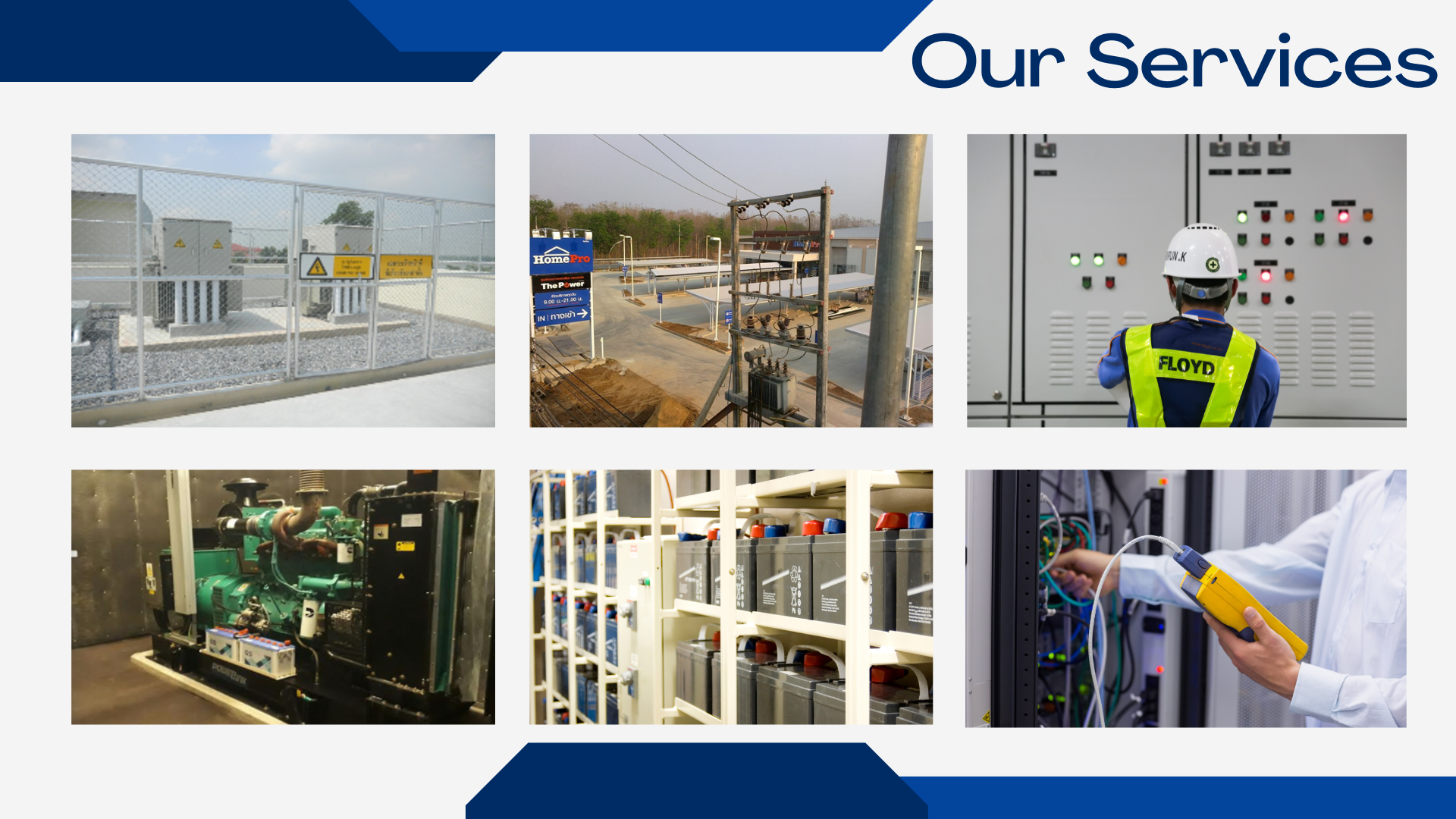
| Mechanical & Electrical (M&E) Building Systems Installation Contractor | Floyd Public Company Limited (“the Company”) primarily engages in the provision of Mechanical and Electrical Engineering Systems (M&E) services, which constitute essential infrastructure for various types of buildings, including residential buildings, office buildings, shopping centers, industrial facilities, and specialized facilities such as data centers and hospitals. Efficient M&E systems play a critical role in enhancing building safety, occupant comfort, and energy efficiency. The Company operates as a full-service M&E contractor, providing integrated building engineering system services covering consulting, engineering design, system planning, procurement of materials and equipment, installation, and system maintenance. The Company possesses extensive expertise in Mechanical and Electrical (M&E) engineering systems. Most projects are undertaken directly for project owners as a Prime Contractor, with key customers primarily consisting of financially strong private-sector developers. The majority of projects are secured through a tendering process, which includes both equipment procurement and comprehensive system installation services. The Company’s services can be categorized into four main business segments as follows 1. Electrical & Communication Systems The Company provides comprehensive electrical and communication system installation services, covering engineering consultation, system design, procurement of equipment, system installation, testing and commissioning, and post-installation maintenance, ensuring that building electrical and communication systems operate efficiently, reliably, and in compliance with safety standards. Electrical and communication systems form a fundamental infrastructure of modern buildings, as they support power distribution, operation of building equipment, and increasingly complex digital communication technologies. The Company’s services cover the following major systems:
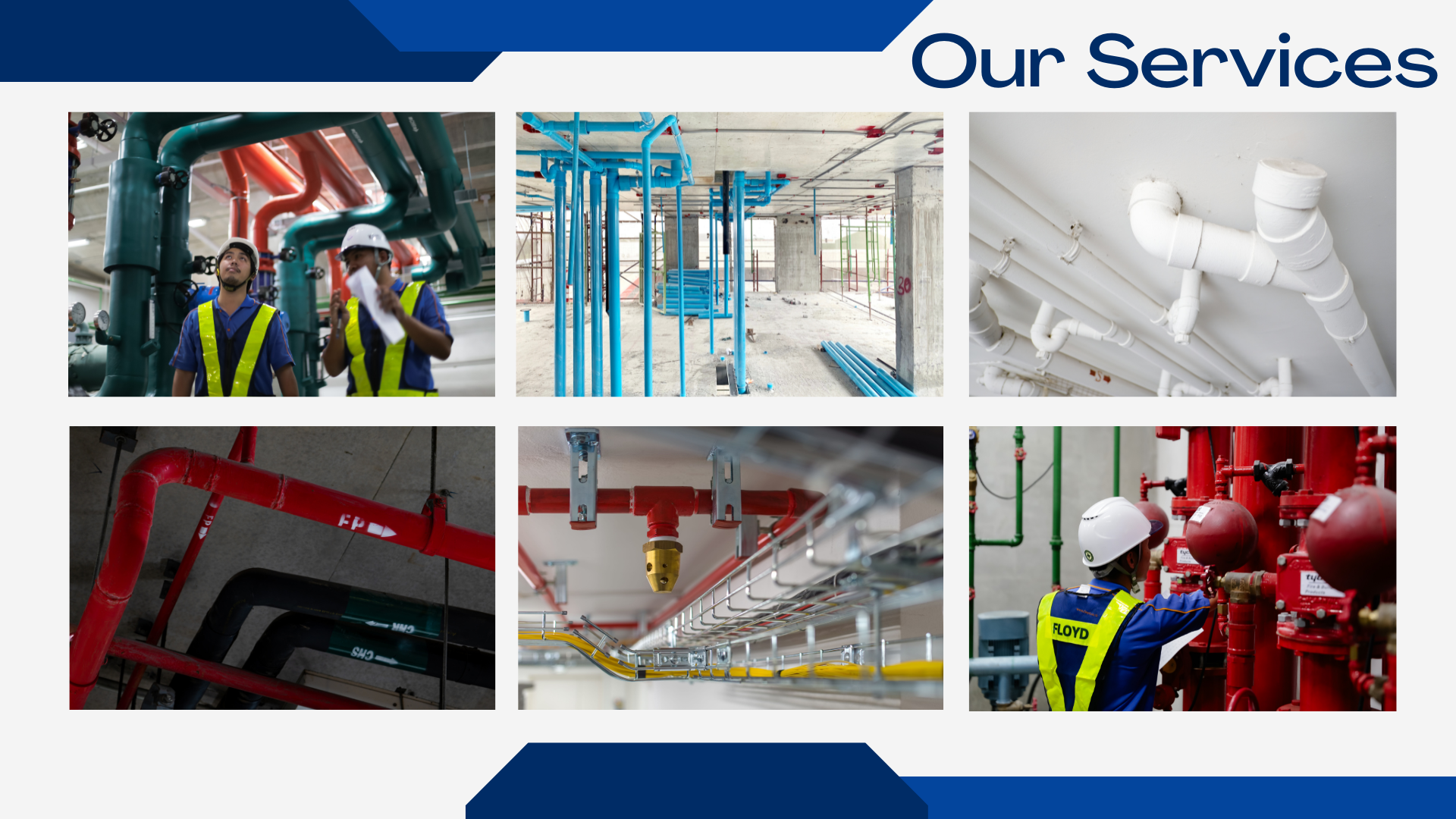
2. Sanitary & Fire Protection systems The Company provides comprehensive sanitary, plumbing, and fire protection system design and installation services, covering engineering consultation, system design, equipment procurement, system installation, testing and commissioning, and maintenance to ensure operational efficiency and compliance with relevant engineering and safety standards. Sanitary and fire protection systems are essential building infrastructure that support water resource management, hygiene and sanitation, and fire protection. The Company’s services include the following systems:
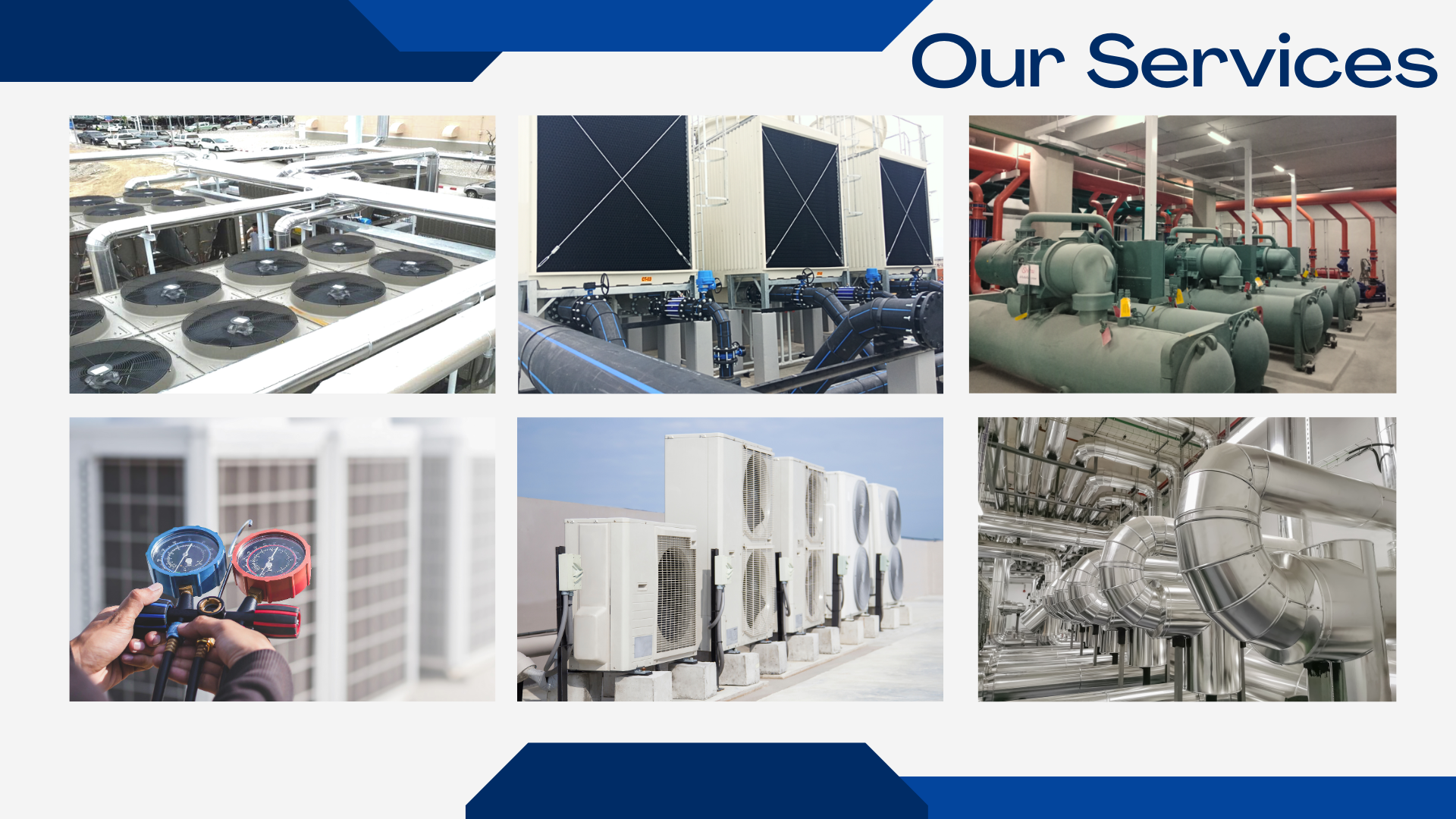
3. HVAC- Heating, Ventilation and Air Conditioning Systems The Company provides design, procurement, and installation services for air-conditioning and ventilation systems for various types of buildings. Its services cover the full project cycle, from project requirement analysis, engineering design, equipment procurement, and system installation to testing and commissioning, as well as maintenance services, to ensure that the systems operate efficiently, reliably, and in an energy-efficient manner. Air-conditioning and ventilation systems play a vital role in controlling the indoor environment of buildings, including temperature, humidity, and air quality, in order to provide comfort for occupants and support buildings that require specialized environmental conditions, such as data centers, hospitals, and laboratories. The Company’s services cover the following major systems:
4. Energy Management Systems (EMS) The Company provides design and installation services for energy management systems for buildings, with the objective of improving energy efficiency, reducing energy costs, and supporting sustainable building development. The services cover the integration of renewable energy and modern energy management technologies.
The integration of energy management systems with smart building technologies enables buildings to reduce energy consumption, lower operating costs, and support environmentally sustainable building development.
The Company places strong emphasis on innovation and technological advancement in order to enhance operational efficiency and strengthen its competitive advantage. Digital technologies have been integrated into the Company’s workflow, such as Building Information Modeling (BIM), which is used in the design and simulation of building engineering systems. BIM enhances project management efficiency, reduces errors, and shortens project execution time. In addition, the Company has adopted Artificial Intelligence (AI) to analyze project data and predict potential risks, thereby supporting more effective planning and decision-making processes. In terms of technology and materials, the Company also advises clients on adopting energy-efficient technologies, such as high-efficiency air-conditioning systems and LED lighting systems, as well as environmentally friendly materials to support the growing trend toward sustainability and long-term customer needs. At the same time, the Company places strong importance on continuous personnel development through training and knowledge-sharing programs, enabling employees to adapt to emerging technologies and supporting the Company’s sustainable business growth. |
Research & Development
Has R&D Policy (Y/N)
No
R&D Cost — Description
Over the past three years, the Company has not recorded any research and development (R&D) expenditures in the form of dedicated experimental research projects. However, given the nature of its business as a building engineering services provider, the Company has continuously focused on developing applied innovation and operational technology aimed at enhancing efficiency, reducing costs, and strengthening its commercial competitiveness.
The Company has invested in and developed digital tools to systematically support its operations. This includes the adoption of Building Information Modeling (BIM) for engineering design and system simulation, which improves planning accuracy, minimizes discrepancies between design and on-site execution, and shortens construction timelines. In addition, the Company has implemented Artificial Intelligence (AI) and data analytics to support project data analysis, risk assessment, and cost management, enabling more effective and informed managerial decision-making.
In terms of sustainability-driven innovation, the Company plays an active role in providing engineering recommendations to clients on the selection of high-efficiency systems and environmentally friendly solutions, such as energy-efficient air conditioning systems, LED lighting, and sustainable materials. These initiatives help enhance project value while aligning with Environmental, Social, and Governance (ESG) trends. At the same time, the Company places strong emphasis on continuous human capital development through training programs, knowledge transfer, and upskilling in emerging technologies. This ensures that personnel are well-equipped to effectively apply new tools and innovations, and are prepared to adapt to ongoing industry changes.
The Company maintains disciplined cost management, prioritizing investments in technologies with clear commercial applications and measurable returns in the short to medium term, rather than high-uncertainty fundamental research. This approach enables the Company to sustain profitability while continuously advancing its operational capabilities and supporting long-term, sustainable growth.
R&D Cost — Label
Research and development (R&D) expenses over the past 3 years (Million Baht)
Assets Used in the Business
Permanent Assets — Description
Non-current assets: Land, buildings, and equipment
As of December 31, 2025, the Company had land, buildings, and equipment, which can be detailed as follows:
Permanent Assets — Appraisal
| Asset | Ownership | Obligation | Appraisal Value | Description |
|---|---|---|---|---|
| Land and Land Improvements | Company | Mortgage debt | 46.8 | Which is the land title deed No. 136825, with an area of 3 rai, 1 ngan, 84 square wah, located at 31/4 Moo 2, Soi Wat Somklieng, Kanchanaphisek Road, Bang Mae Nang Subdistrict, Bang Yai District, Nonthaburi Province. |
| Buildings and Building Improvements | Company | Mortgage debt | 74.88 | Which is located on land title deed number 136825, with an area of 3 rai, 1 ngan, 84 square wah, located at 31/4 Moo 2, Soi Wat Somklieng, Kanchanaphisek Road, Bang Mae Nang Subdistrict, Bang Yai District, Nonthaburi Province. |
| Tools and Equipment | Company | None | 2.24 | |
| Office Supplies | Company | None | 8.18 | |
| Vehicle | Company | None | 1.2 | |
| Construction in progress | Company | None | 0 |
Intangible Assets — Description
Intangible assets
As of December 31, 2025, the Company had intangible assets of 1.40 million baht, comprising computer software systems used in business operations.
Has Subsidiaries Investment Policy (Y/N)
Yes
Subsidiaries Investment Policy — Description
The Company has a policy to invest in businesses that are related to and can support its core operations, with a focus on evaluating both financial returns and expected strategic benefits. Such investments aim to support the Company’s growth and enhance its competitive capabilities over the long term. In considering each investment, the Company determines an appropriate investment proportion based on the nature of the business and the associated risk level, with primary emphasis on expected returns, under the objective of creating long-term value for shareholders.
The Company also ensures appropriate oversight of its investments by appointing directors and/or representatives to participate in the management of its subsidiaries and associates in proportion to its shareholding. These representatives are involved in setting policies, defining operational directions, and exercising voting rights at both board of directors and shareholders’ meetings, thereby safeguarding the Company’s interests effectively.
At present, the Company has one subsidiary, BE Energy Company Limited, with its head office located at 31/4 Moo 2, Kanchanaphisek Road, Soi Wat Somkliang, Bang Mae Nang Subdistrict, Bang Yai District, Nonthaburi Province 11140. This investment forms part of the Company’s strategy to expand its business and develop new revenue streams (New S-Curve) in the future.
Marketing Policy & Competition
Reporting Mode
3117
Marketing Policy (Overall)
Marketing Policy and Approach
The Company operates under a marketing policy that emphasizes quality, safety, and value engineering as its core principles. It focuses on the selective acquisition of projects and clients with strong potential, while maintaining appropriate risk-return balance amid a volatile economic environment.
Rather than competing solely on price, the Company differentiates itself through its comprehensive expertise in building engineering systems. It delivers integrated design and installation solutions that enhance efficiency, reduce life-cycle costs, and address clients’ sustainability requirements.
During the past year, the Company has focused on strengthening its existing client base while expanding into high-potential segments, particularly commercial buildings, residential developments, hotels, and data centers, which continue to demonstrate strong growth in line with economic expansion and digital transformation trends.
Competitive Advantages
• Experience Experience and Deep Expertise
With over 38 years of experience, the Company has developed strong capabilities in managing complex building engineering system projects across various project sizes, building types, and technical requirements. Its management and engineering teams possess expertise in systematic planning, resource optimization, and quality control throughout all project phases. This enables the Company to effectively mitigate risks and consistently deliver projects on time and in accordance with required standards. The Company also demonstrates strong problem-solving capabilities and effective project change management, which are critical success factors in the construction industry. These capabilities allow the Company to control costs and minimize the impact of project uncertainties.
In addition, the Company conducts its business with a strong commitment to professional ethics, transparency, and fairness, prioritizing long-term client relationships over short-term price competition. This has resulted in a stable customer base, repeat business, and continuous referrals, which are key drivers of sustainable revenue growth.
• Efficiency in Cost and Operational Management
The Company adopts a disciplined cost management approach and focuses on achieving appropriate returns on each project through selective bidding, ensuring alignment with its operational capacity, project timeline, and risk profile. This enables the Company to maintain strong gross margins relative to industry averages. Operational efficiency is enhanced through front-end planning, effective resource allocation, and the application of engineering techniques to reduce waste in terms of time, materials, and labor.
The Company leverages information technology as a key enabler, including ERP systems for real-time cost and budget monitoring, and BIM for design and simulation to minimize errors and rework. Additionally, AI and data analytics are applied to project analysis and risk forecasting, improving decision-making accuracy and overall operational performance.
• Service Excellence and Quality Standards
The Company places the highest priority on delivering high-quality, safe, and reliable work. It has established comprehensive quality control and safety management systems covering all stages from design and material selection to installation, testing, and commissioning. The Company is certified under ISO 9001:2015 (Quality Management) and ISO 45001:2018 (Occupational Health and Safety), reflecting its commitment to international standards.
Furthermore, the Company regularly conducts customer satisfaction assessments and uses the feedback to drive continuous improvement, enabling it to maintain long-term relationships with leading corporate clients and strengthen its competitive positioning in terms of service quality.
• Financial Strength and Cash Flow Management
The Company places strong emphasis on prudent liquidity and cash flow management, given the working capital-intensive nature of its business. It implements forward-looking cash flow planning, cost control, and disciplined contract and payment management. The Company also carefully selects clients and projects to mitigate credit risk and maintains strong relationships with multiple financial institutions, ensuring access to funding and financial support for project execution.
Through balanced financial management and sustained financial discipline, the Company is well-positioned to support business expansion while maintaining long-term competitiveness.
• Growth Opportunities and Expansion Strategy
The Company focuses on structured expansion by leveraging its core expertise while diversifying its project portfolio to reduce dependency on any single customer segment and enhance revenue stability. Its strategic target segments include:
(1) Commercial buildings
(2) Data centers
(3) Residential and hospitality developments
(4) Infrastructure and government projects
Currently, the Company’s primary revenue base is derived from commercial and residential segments, which offer strong project continuity and a stable client base.
At the same time, the Company sees significant growth opportunities in data centers and infrastructure projects, driven by increasing digitalization and national infrastructure investments, particularly in transportation and logistics. These sectors are expected to support long-term growth in the construction and engineering industry. The Company adopts a selective expansion strategy, focusing only on projects that align with its capabilities and offer appropriate returns, while maintaining margin discipline alongside business growth.
Pricing Policy
The Company adopts a lump-sum pricing approach, taking into account both direct and indirect costs to determine the true cost of each project. An appropriate gross margin is then set based on the project’s complexity and risk profile.
The Company maintains a balance between pricing competitiveness and long-term profitability. In competitive bidding situations, pricing strategies may be adjusted market conditions; however, project selection remains disciplined to avoid low-margin work that could compromise quality and profitability.
Target Customers, Sales, and Distribution Channels
The Company primarily serves private sector clients across a wide range of industries, including commercial buildings, offices, residential projects, hotels, hospitals, industrial facilities, and data centers. Target customer segments include:
(1) Commercial Buildings, such as department stores and office buildings
(2) Data Centers
(3) Residential and Hospitality, and
(4) Infrastructure and Government Projects
The Company’s core client base consists of large private sector organizations, particularly in commercial and residential segments, which have strong financial standing and continuous project pipelines, thereby reducing credit risk and enhancing revenue visibility. Key channels for project acquisition include project bidding, direct negotiation with project owners, and referrals from existing clients and business partners, reflecting strong trust in the Company’s capabilities and service quality. The Company prioritizes working as a main contractor to maintain control over quality, contractual terms, and cash flow, while also utilizing subcontracting as a strategic channel to expand market access and business opportunities.
In 2025, the Company’s key customer segments included commercial buildings, office buildings, residential projects, and data centers, reflecting market growth trends.
Project Sourcing and Selection
The Company adopts a disciplined project selection approach, considering key factors such as technical complexity, project timeline, resource availability, expected returns, and the financial strength of clients. It sources project opportunities through multiple channels, including project announcements, invitations to bid, referrals from partners, and executive networks, as well as government procurement platforms for public sector projects. The Company prioritizes working with reputable clients, particularly large corporations and listed companies, to mitigate payment risks.
For large-scale or highly complex projects, the Company may participate through strategic collaborations such as consortiums or joint ventures to enhance competitiveness and manage risks effectively.
Industry & Competition (Overall)
Industry Competition in 2025
In 2025, the Thai economy continued to expand at a moderate pace, with gross domestic product (GDP) growing by 2.4%, while total investment rebounded with a growth of 4.9% from the previous year. This was primarily driven by accelerated public sector budget disbursement and a partial recovery in private sector investment. (Source: Office of the National Economic and Social Development Council (NESDC), 2025) The construction sector expanded by 6.6%, supported mainly by public sector construction, which grew by 11.3%, while private sector construction slightly contracted by 0.8%, despite early signs of recovery toward the end of the year.(Source: NESDC and Krungsri Research)
Despite the gradual recovery of the construction sector, the building engineering systems (M&E) contracting industry remained highly competitive, particularly in general building projects where numerous contractors compete primarily on price. (Source: Krungsri Research)
Industry Structure and Market Participants
The Thai construction industry is characterized by a highly fragmented structure, with more than 100,000 registered entities. However, large-scale contractors account for less than 1% of the total number of players, yet command a significant share of industry revenue. (Source: Department of Business Development and Krungsri Research) This structure reflects varying competitive dynamics across different market segments. The lower-to-mid segments are highly competitive with strong price-based competition, while large-scale and complex projects remain concentrated among contractors with strong financial capacity, extensive experience, and robust project management systems.
Furthermore, the industry presents relatively high barriers to entry into high-value segments, including requirements related to financial strength, track record, and quality and safety standards. As a result, contractors—particularly mid-sized and smaller M&E players—must continuously enhance their capabilities to access higher-value and more complex projects.
Market participants can generally be categorized into three main groups:
Large Contractors (Main Contractor / Large MEP)
Possessing strong financial resources and capabilities to undertake large-scale and public infrastructure projectsSpecialized MEP Contractors
Focusing on engineering expertise in electrical, mechanical, and building systems, competing based on technical capability and execution quality
Mid-sized and Small Contractors
Representing the majority of market participants, competing primarily on price and typically engaged in medium-to-small projects or subcontracting work
Market Segmentation and Customer Base
The building engineering systems market can be broadly categorized into four key segments:
Commercial buildings (shopping malls, office buildings)
Residential and hospitality projects
Specialized buildings (e.g., Data Centers and hospitals)
Infrastructure and public sector projects
In 2025, demand across these segments varied. Public infrastructure projects showed strong growth, commercial developments began to recover toward year-end, while the residential sector remained relatively subdued. This environment required contractors to be more selective in targeting market segments aligned with prevailing economic conditions.
Cost Factors and Industry Pressures
Contractors continued to face cost pressures, particularly from rising labor costs, with the minimum wage in Bangkok increasing to THB 400 per day in the second half of the year. (Source: Ministry of Labour)
Meanwhile, the overall construction materials price index remained relatively stable year-on-year, although certain materials such as steel and cement experienced fluctuations. (Source: Ministry of Commerce) These factors have made cost control, project management efficiency, and disciplined project selection increasingly critical for maintaining profitability.
Focusing on engineering expertise in electrical, mechanical, and building systems, competing based on technical capability and execution quality
Industry Competitors
The M&E contracting industry in Thailand remains highly fragmented, with a wide range of competitors both within and outside the stock exchange. Competitors can be categorized into four main groups:
Listed Companies
Including companies such as PLE, PROS, QTCG, and EMC, which possess strong financial positions, established systems, and experience in large-scale projectsLarge Private Contractors
Experienced players involved in major public and private projects, including Tier 1–2 M&E contractors and large construction groupsMid-sized and Small Contractors
The largest group in terms of number, competing primarily on price, but often constrained by financial capacity and project management capabilitiesSpecialized or International Players
Typically involved in highly complex projects such as Data Centers, often bringing advanced technology and international expertise
Competitive Position and Capabilities of the Company
The Company operates as a mid-tier specialized M&E contractor with strong expertise and growth potential, capable of competing in medium-sized projects and selected large-scale projects requiring technical specialization.
Key competitive strengths include:
Specialization Advantage: Expertise in electrical and mechanical systems, which are critical components of modern buildings
Track Record: Proven experience across various project types, enhancing credibility and bidding opportunities
Execution and Cost Control: Strong ability to manage costs and deliver projects on time
Relationship Capital: Established relationships with clients and business partners, supporting recurring business
Operational Agility: Greater flexibility compared to large contractors, enabling faster decision-making and adaptability
Limitations, Challenges, and Capability Enhancement Strategy
The Company continues to face structural challenges, particularly its relatively smaller size and capital base compared to large contractors, which may limit access to mega projects requiring substantial financial and technical qualifications. Additionally, the Company faces ongoing price competition in general projects and cost volatility in labor and materials, which can impact profit margins. To address these challenges, the Company has adopted a strategic direction focused on upgrading its competitive capabilities by:
Expanding into higher-value and more complex projects, such as Data Centers and infrastructure
Enhancing operational efficiency through the adoption of technologies such as BIM and Prefabrication
Strengthening quality and safety standards to meet increasingly stringent project requirements
Implementing disciplined project selection to preserve margin stability
Strategically, the Company is positioned as an “upgrading specialist contractor,” transitioning from price-based competition toward value-based competition, emphasizing quality, capability, and reliable project delivery.
Future Industry Trends and Outlook
Looking ahead, the industry is expected to shift further from price-based competition toward capability-driven competition, supported by key trends such as: Increased adoption of digital technologies, including BIM ,Greater use of Prefabrication to improve productivity and reduce construction timelines And higher safety and regulatory standards across construction projects. (Source: McKinsey Global Institute and Krungsri Research)
At the same time, demand for M&E services is expected to grow, driven by: Public infrastructure investment , Expansion of digital infrastructure, particularly Data Centers And Rising demand for energy-efficient and smart buildings. (Source: BOI and industry reports)
Procurement of Products & Services
Reporting Mode
3117
Procurement (Overall)
Nature of Procurement of Products for Sale (Service Provision)
The Company operates a business providing mechanical and electrical (M&E) engineering installation services for buildings. The nature of “products for sale” is in the form of the procurement of materials, equipment, and project-related resources required for system installation in accordance with contractual agreements. This process encompasses raw material sourcing, supplier management, labor management, and working capital management to ensure alignment with project execution plans.
1. Materials and Equipment Used in Service Provision
The Company’s primary materials consist of engineering system components, which represent a major portion of project costs. These can be categorized into three main groups:
Electrical Systems
Including electrical wires and cables, switchboards, protective devices (circuit breakers, fuses), backup power systems, grounding systems, building automation systems (BAS), and communication systemsMechanical & HVAC Systems
Including air conditioning systems (chillers, VRF, split type), air ducts, pumps, valves, insulation, and temperature control systemsSanitary & Fire Protection Systems
Including water supply and drainage systems, sanitary ware, fire protection systems (sprinklers, fire pumps), and smoke and heat detection systems
In addition, general construction materials such as conduits, fastening equipment, steel, and other construction materials are also utilized.
Nature of Materials
Most materials and equipment used by the Company are categorized as commodity and semi-commodity products, with a wide range of suppliers both domestically and internationally. This allows flexibility in sourcing and effective price comparison. However, certain materials, such as electrical cables, steel, and HVAC equipment, are subject to price volatility driven by global market conditions and raw material costs, which may impact project cost structures.
In general, most materials are sourced domestically, while certain specialized or high-technology equipment may be imported. The Company implements appropriate procurement planning and risk management practices to ensure continuity of operations.
2. Procurement and Suppliers
The Company adopts a project-based procurement policy, whereby materials and equipment are sourced in accordance with the specific requirements of each project. This approach minimizes inventory holding costs and enhances working capital efficiency. The Company maintains an Approved Vendor List and applies systematic selection criteria, including product quality and standards, pricing and commercial terms, delivery capability, after-sales service and technical support, as well as supplier reliability and track record.
Competitive quotations are obtained from multiple suppliers, and procurement decisions are made through a structured approval process to ensure transparency, fairness, and cost efficiency. Suppliers consist of both domestic and international manufacturers and distributors, with most being long-term business partners. The Company does not rely on any single supplier to a material extent.
Strong relationships with suppliers provide key benefits, including competitive pricing, reliable delivery, technical support, and inventory availability during periods of high demand, thereby reducing supply chain risks.
3. Raw Material Risk Management
Certain materials used in project execution are commodity-based and subject to price fluctuations. The Company therefore emphasizes systematic cost risk management to maintain margin stability and competitiveness. Key risk management practices include supplier diversification (multiple sourcing), price lock-in arrangements for selected materials during favorable periods, and procurement planning aligned with project schedules.
In addition, the Company adopts disciplined project selection by considering cost risk management capability as a key factor in bidding decisions. These measures enable the Company to mitigate the impact of material price volatility, maintain profitability, and manage supply chain risks effectively over the long term.
4. Operational Capacity
The Company’s project execution capability is driven by three key factors: engineering personnel, labor and subcontractors, and working capital. The Company employs a team of approximately 120 engineers across all M&E disciplines, including project management and site engineers with professional licenses and extensive experience. These personnel play a critical role in planning, quality control, and project risk management.
In terms of labor, the Company primarily utilizes subcontractors, with an average workforce of approximately 2,000 workers, and engages 6–10 subcontractors per project to diversify risk and enhance operational flexibility. Regarding working capital, the Company typically receives advance payments of approximately 10–15% of contract value and utilizes financial instruments such as bank guarantees to support project execution. The Company currently maintains total bank guarantee facilities of approximately THB 625 million, supporting an annual project capacity of approximately THB 1,500 million.
Overall, these factors enhance the Company’s execution efficiency, operational flexibility, and ability to support long-term growth.
5. Project Acquisition
The Company generates revenue primarily through project-based bidding, participating in both open tenders and selective tenders, where qualified contractors are invited to submit proposals. The Company has a dedicated team to identify and evaluate business opportunities from both public and private sectors. Projects are screened based on project characteristics, alignment with the Company’s expertise, risk level, and profitability potential before bidding decisions are made.
During the bidding process, the Company conducts a detailed analysis of tender documents (TOR), construction drawings, and performs quantity take-offs and cost analysis, taking into account material costs, labor, project duration, and associated risks. Pricing decisions are reviewed collaboratively by the estimation team, engineering team, and management to ensure disciplined bidding aligned with the Company’s strategic objectives and long-term profitability.
6. Project Execution Model
The Company executes M&E installation works in coordination with the main contractor, ensuring close collaboration among all stakeholders to achieve project objectives in terms of quality, timeline, and safety. Execution begins with project planning and procurement aligned with construction schedules, followed by installation based on approved shop drawings, under the supervision of the Company’s engineering and site management teams.
Throughout the execution phase, the Company closely monitors progress and quality while managing project risks. Upon completion, testing and commissioning are conducted to ensure system performance prior to project handover. After project completion, the Company provides a warranty period of 1–2 years, ensuring quality assurance and maintaining long-term client relationships.
Summary of Operational Process
The Company’s operational process can be divided into three main phases: the Bidding Phase, the Construction Phase, and the Post-Construction Phase, as outlined below:
Bidding Phase
The process begins with coordination with clients to obtain tender documents, including the Terms of Reference (TOR), construction drawings, and relevant criteria. The management team then evaluates the suitability of each project, determining whether to participate independently, enter into a joint venture, or collaborate with partners based on the Company’s expertise.
The estimation team subsequently conducts a detailed project study, including quantity take-off and preliminary cost estimation, considering both quantities and unit prices. The proposed pricing is then reviewed by the project team and management to ensure competitiveness and alignment with the Company’s strategy before submitting the tender or entering into price negotiations with the client.
Construction Phase
Upon being awarded a project, the Company enters into a contract and conducts a kickoff meeting with all relevant stakeholders, including project consultants, engineers, and management, to establish a detailed execution plan. The Company prepares project schedules and budgets, assigns responsible teams, and executes the project in accordance with the plan. This includes procurement of materials and equipment, subcontractor engagement, and system installation based on approved shop drawings.
Project engineers and site teams closely monitor progress, control quality, and manage project execution to ensure alignment with the established plan, while regularly reporting progress to management. Upon completion of installation works, the Company performs testing and commissioning to ensure system performance prior to project handover.
Post-Construction Phase
Following project completion and handover, the Company conducts customer satisfaction assessments to gather feedback for continuous improvement. In addition, the Company provides warranty services in accordance with contractual terms, typically ranging from 1 to 2 years.
Projects Under Construction
Has Projects Under Construction (Y/N)
Yes
Description
As of December 31, 2024, the Company had undelivered work for a total of 6 projects It is the value of work not yet delivered or performed totaling 104.39 million baht. The details are as follows:
Total Projects
6
Total Project Value
1418.86
Recognized Value
1314.47
Remaining / Unrecognized Value
104.39
Projects
| Project Name | Value | Income % | Est. Years | Est. Months |
|---|---|---|---|---|
| Residential Building | 411 | 91.02 | 2 | 0 |
| Residential Building | 201 | 83.73 | 1 | 8 |
Debentures & Bills of Exchange
Has Debentures (Y/N)
No
Convertible Securities
Has Convertible Securities (Y/N)
No